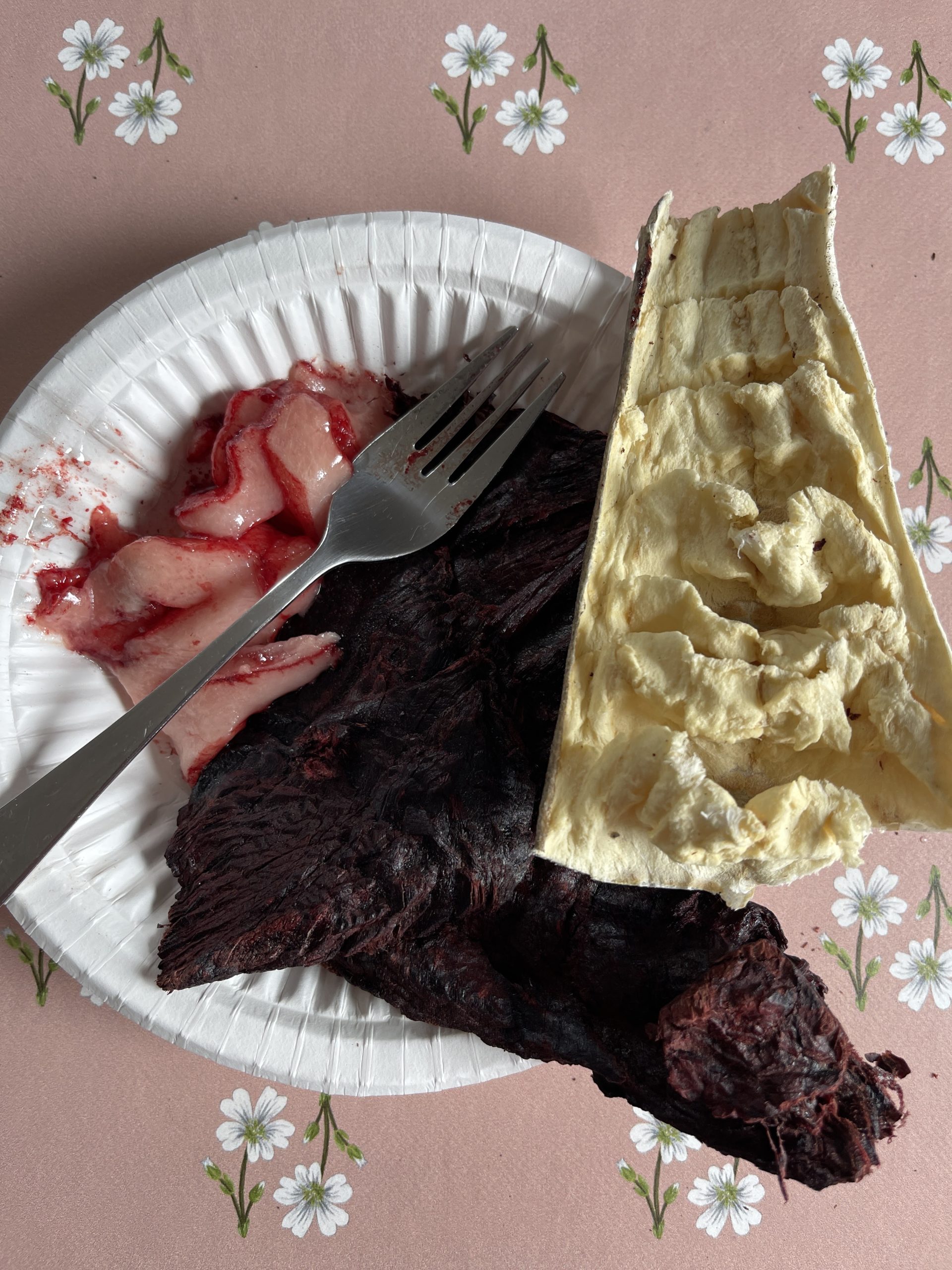

A month in Kullorsuaq eating only a decomposing seal
Plans change…. the original plan was to ski from Kullorsuaq to Savissivik (320km farther north) pulling all my gear and a seal in a pulk across the sea ice. A delay of almost two weeks waiting for conditions to allow a helicopter to deliver me to Kullorsuaq combined with increasingly poor sea ice condition meant I had to do a little pivot.
But, the result of me now deciding to remain in Kullorsuaq meant that I could concentrate more on the science and the process of fermenting the seal as opposed to primarily being concerned about frostbite, bears and generally staying alive.
I write this on my final day here, on month in and coming down to the very last dregs of my beautifully aromatic and pungent seal meat.
I won’t give any spoilers away just yet, suffice to stay that I am still very much alive and the seal managed to get to an advanced state of decay and that I continued to live off it for the duration. Which, with hindsight, seems like a pretty good result in itself.
I have managed to document the time here in depth – covering talks, kaffemiks, life in general up here in the far north as well as joining hunters on bear and narwhal hunts. All of which will be coming out on YouTube at some point.
Just as soon as I’ve managed to get back to the UK, drop off a bag full of samples and let those scientists come up with results!
Oooh – the dog! I was gonna take a sleddog on the trek with me but, as the ski trip didn’t happen I kept it here with me in Kullorsuaq, fed it exactly the same diet as me and took a bunch of poo samples as well – to see how he managed on the same diet.